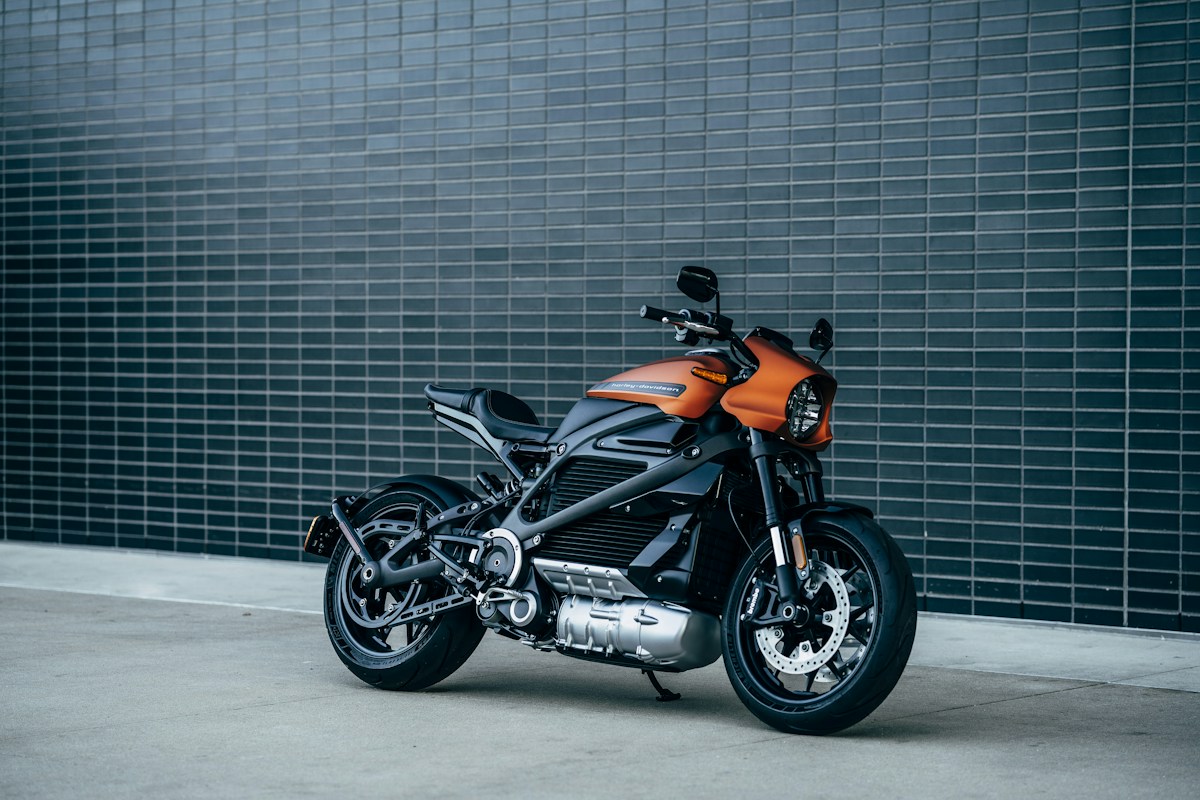
Motorcycle accidents are often serious, and the insurance claim that follows can be more complicated than a car accident claim. Riders face assumptions about fault, questions about their gear and licence, and disputes over medical costs. This guide explains how motorcycle accident insurance claims work, what to do after a crash, and how to protect your right to compensation.
Why Motorcycle Claims Are Different
Motorcycles offer little protection in a crash, so injuries tend to be severe. Broken bones, head injuries, road rash, and spinal injuries are common, and treatment can be long and expensive. Insurers know this, and they also know that motorcycle claims can be large, so they examine them closely.
Another problem is bias. Some drivers, and even some insurance adjusters, assume the motorcyclist was speeding or riding recklessly. That assumption can affect how fault is judged, even when the evidence shows the other driver caused the crash. A rider who was following the rules may still have to work harder to prove it.
Coverage can also be confusing. A motorcycle policy may include liability cover, collision cover, comprehensive cover, and medical payments cover, and each works differently. In some places, personal injury protection that applies to car accidents does not apply to motorcycles in the same way. Understanding your own policy before an accident helps, but after one, the priority is to check what cover you have and what the other driver’s policy covers.
What to Do Immediately After a Motorcycle Accident
Your health comes first. Call emergency services if anyone is hurt, and get medical attention even if you feel able to walk away. Some injuries, especially head injuries and internal injuries, do not show symptoms straight away. A medical record from the day of the accident is also important evidence later.
If it is safe to do so, document the scene. Take photos of the motorcycle, the other vehicles, the road, skid marks, and your injuries. Note the time, the weather, and the road conditions. Get the other driver’s name, contact details, insurance information, and vehicle registration. Collect the names and phone numbers of witnesses, because their accounts can matter a great deal if fault is disputed.
Report the accident to the police and get a copy of the report or at least its reference number. Then notify your insurer promptly. Most policies require quick reporting, and a delay can be used against you. When you speak to any insurer, stick to the facts and do not admit fault or guess about what happened. Fault is decided on the full evidence, not on a statement made at the roadside.
Filing the Claim
A motorcycle accident claim usually involves one or more of these routes. A claim against the other driver’s liability insurance applies when the other driver was at fault. A claim under your own collision cover can pay for damage to your motorcycle regardless of fault, though you may have to pay a deductible first. Medical payments cover or personal injury protection, where available, can help with medical bills. If the other driver has no insurance or not enough insurance, your uninsured or underinsured motorist cover may apply, if you have it.
Keep records from the start. Save every medical bill, repair estimate, and receipt. Keep a diary of your injuries, your treatment, and how the accident affects your work and daily life. If you miss work, keep pay records. If your motorcycle is repaired, get a written estimate from a reputable shop before authorising the work, and keep photos of the damage.
The insurer will investigate the claim, which may include inspecting the motorcycle, reviewing medical records, and taking a recorded statement. You do not have to agree to a recorded statement without advice, and you should never sign a settlement or a release without understanding what rights you are giving up.
Common Problems in Motorcycle Claims
Disputed fault is the most common problem. The other driver may claim you were speeding, filtering unsafely, or in their blind spot. Evidence such as dashcam footage, witness statements, and the police report can counter this. Your helmet, protective clothing, and licence status may also be questioned. In some places, not wearing a helmet can reduce compensation even if it did not cause the accident, so the rules where you ride matter.
Low settlement offers are another issue. An insurer may offer a quick payment that covers the motorcycle repairs but not the full medical costs or lost income. Do not accept the first offer without checking what your claim is really worth, including future treatment. Once you accept a settlement and sign a release, you usually cannot ask for more later, even if your injuries turn out to be worse than expected.
Delays can also be a problem. Insurers sometimes take a long time to decide a claim, or ask for the same documents repeatedly. Keep a written record of every request and response, and follow up in writing so there is a clear trail.
When to Get Legal Help
Consider speaking to a lawyer who handles motorcycle accidents if your injuries are serious, fault is disputed, the insurer is delaying or denying the claim, or the settlement offered does not cover your losses. Many lawyers in this field offer a free first consultation and work on a contingency basis. A lawyer can deal with the insurer for you, gather expert evidence, and advise you on the time limit for filing a claim, which varies by location and can be strict.
FAQ
What should I do first after a motorcycle accident?
Get medical help, call the police, document the scene with photos, exchange details with the other driver, and notify your insurer promptly. Do not admit fault at the scene.
Can I claim if the other driver says I was at fault?
Yes, you can still make a claim. Fault is decided on the evidence, not on the other driver’s say-so. Witnesses, photos, and the police report can support your version of events.
Does my helmet matter for my claim?
It can. In some places, not wearing a helmet can reduce the compensation you receive, even if the other driver caused the crash. The rules depend on where the accident happened.
How long does a motorcycle accident claim take?
It depends on the injuries and whether fault is disputed. Simple claims can settle in months, while serious or disputed cases can take much longer, especially if treatment is ongoing.
A motorcycle accident claim rewards preparation. Good records, prompt reporting, and a clear understanding of your cover put you in the strongest position, and honest advice early on can save you from accepting far less than your claim is worth.